
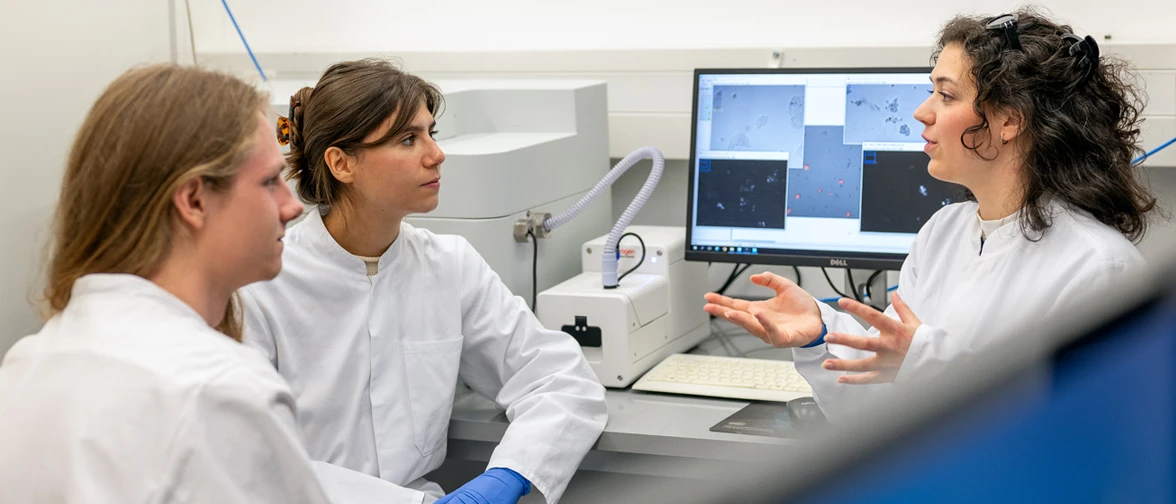
Data Science meets Life Sciences – Research for the Future
The world of life sciences is undergoing transformation. Data is the key to understanding complex biological systems and developing solutions to global challenges such as food security, climate protection, and health. At the TUM School of Life Sciences, we are driving this transformation forward – with cutting-edge data science and a clear goal: Research for One Health.
Why Data Science is Essential in Life Sciences
Biological processes are highly complex and interconnected. From molecular sequences and environmental and satellite data to complex processes in food technology, biomedicine, and biotechnology, enormous amounts of data are generated every day. Those who analyze and interpret this data open up new perspectives for research, production, and sustainability.
Our Approach: Diversity of Methods and Scales
Our research spans from the molecular level to global ecosystems, from the human brain to interactions between plants and animals. We combine classical life science expertise with innovative approaches from data science – for insights that shape the future.
Research Focus
- Systems biology – Analysis of complex biological networks
- Mass spectrometry – Precise molecular analyses
- Plant biology – Data for sustainable agriculture
- Earth observation for ecosystem management – Satellite data for climate protection
- Human microbiome – Key to health
- Bioinformatics – Algorithms for biological data
- Neuroscience – Data-based insights into the brain
TUM Life Science Compute Cluster
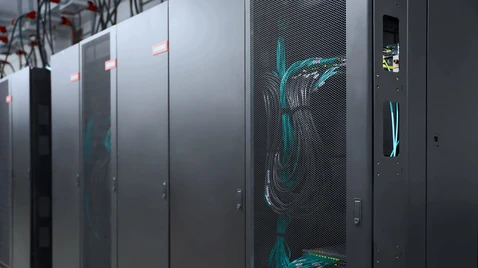
Shared use of high-performance computing resources for the entire campus.
Hybrid intelligence measures plant health

TUM researchers develop a global index for plant health – measuring plant health – worldwide on a weekly basis
Artificial intelligence for climate-resilient cities

Online tool CityTree showcases the benefits of trees for cities – Planning the urban climate of the future
AI models in field testing
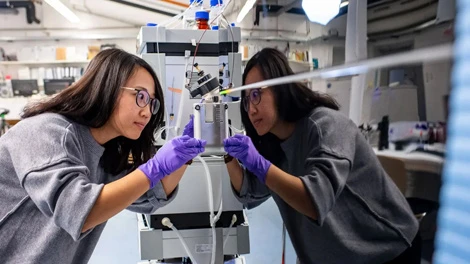
AI in the life sciences – Why AI models often fail in real-world applications
Strategic forest planning thanks to the iLand model
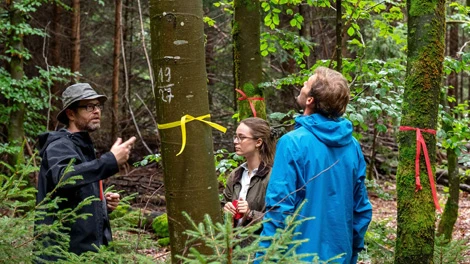
Model calculates large forest areas down to the individual tree – digital twin shows what the forest will look like in 100 years
Protein analysis with deep learning models
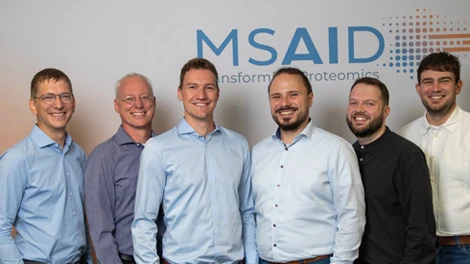
TUM spin-off MSAID – Tracking proteins with artificial intelligence
Satellites and lasers in forest research

Forest fires, storms, and floods are becoming increasingly common due to climate change. How do they affect our forests? (Prof. Senf)
TEDxTUM | The magic of neural connections

The brain of a newborn baby is full of electrical impulses—the basis for learning and thinking. Prof. Julijana Gjorgjieva shows how neural “fireworks” and the balance of excitation and inhibition shape early development.
TUM Student Clubs
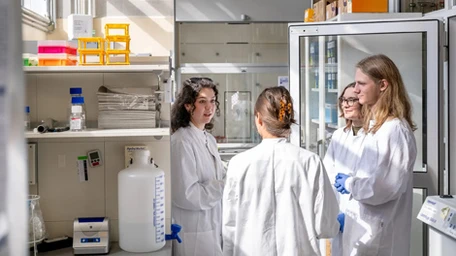
offer you the opportunity to get involved in activities beyond your studies. Whether it's research, innovation, or networking, you'll find exciting projects, international competitions, and a strong community here. Develop your ideas, make contacts, and gain valuable experience for your future.
Doctoral College
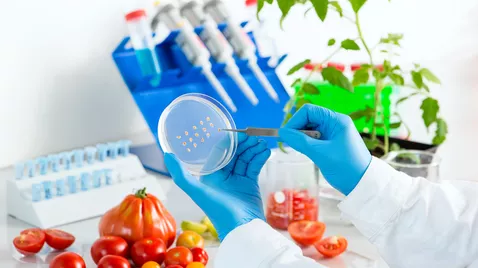
The Proteomes that feed the World
Data-driven analyses improve molecular understanding of crops – for food security despite climate change.
Data science skills for graduate students
- Journal Club Bioinformatics: Current topics and trends in bioinformatics and biomedical research.
- MDSI Program for Doctoral Researchers
Bridges to the Munich Data Science Institute and the National Research Data Infrastructure
The Munich Data Science Institute (MDSI) is TUM's central platform for data science, machine learning, and AI – connecting people and ideas across disciplines.
Research data management is becoming increasingly important. The National Research Data Infrastructure (NFDI) supports researchers in accessing, securing, and networking data according to FAIR principles. The Munich Data Science Institute (MDSI) coordinates TUM's NFDI activities and creates synergies between the consortia. The TUM School of Life Sciences is involved in FAIR Data Infrastructure for Agrosystems (FAIRagro), National Research Data Infrastructure for Immunology (NFDI4Immuno) and NFDI4Microbiota.
MDSI: The interface for data science

The MDSI develops solutions for digital transformation – through data science, AI, and interdisciplinary collaboration.
NFDI: The basis for open research data

Learn how the NFDI is structured, what its goals are, and what role the consortia play.


DaiSyBio
Professorship of Earth Observation for Ecosystem Management